
Top 10 Best Books About How to Deal With Your Grief
Books about grief tend to find us in the moments when language feels impossible, sleep is fragile, and other people’s timelines for “moving on” feel almost cruel. This recommended reading list is for those of you who are living inside a loss, and for those standing beside someone whose world has just been split in two. These titles come from expert-curated lists and grief professionals, but this guide is written through the lens of lived experience, both my own personal loss and years working in mental health and crisis support.
These are books to sit with when you’re the one grieving, whether you’ve lost a partner, parent, child, friend, or the version of life you thought you’d have.
When the Loss Is Recent: Early, Intense Grief
1
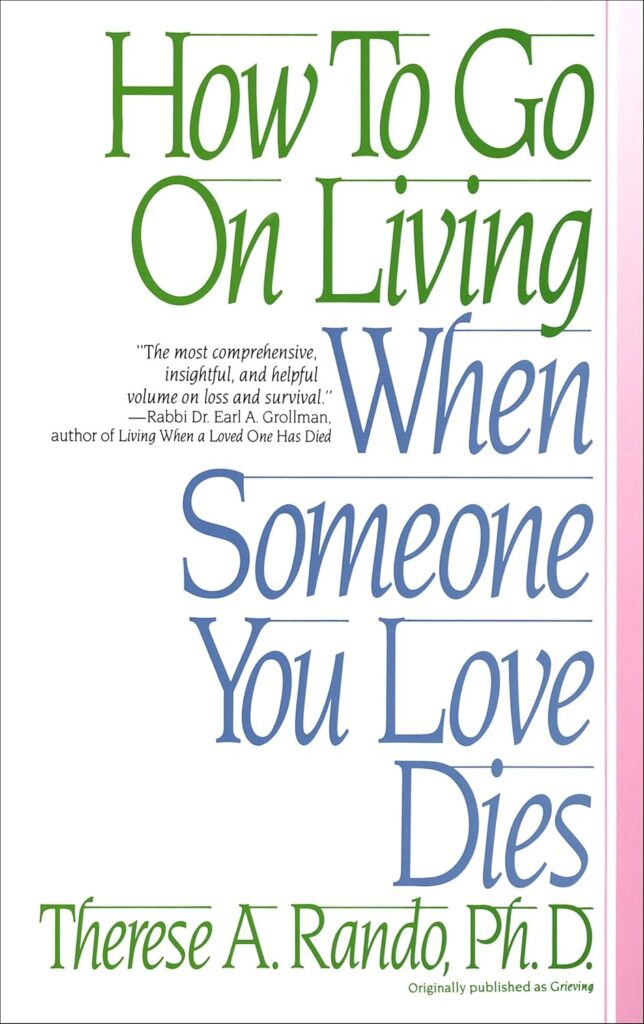
How to Go on Living When Someone You Love Dies – Therese A. Rando
[Practical Grief Guide] This is a solid, no-frills classic written by a grief psychologist that walks you through what loss actually does to your mind, body, and routines. It covers different types of death (expected, sudden, traumatic), common reactions you might think are “crazy,” and very practical suggestions for getting through days, weeks, and months when the world feels unrecognizable.
2
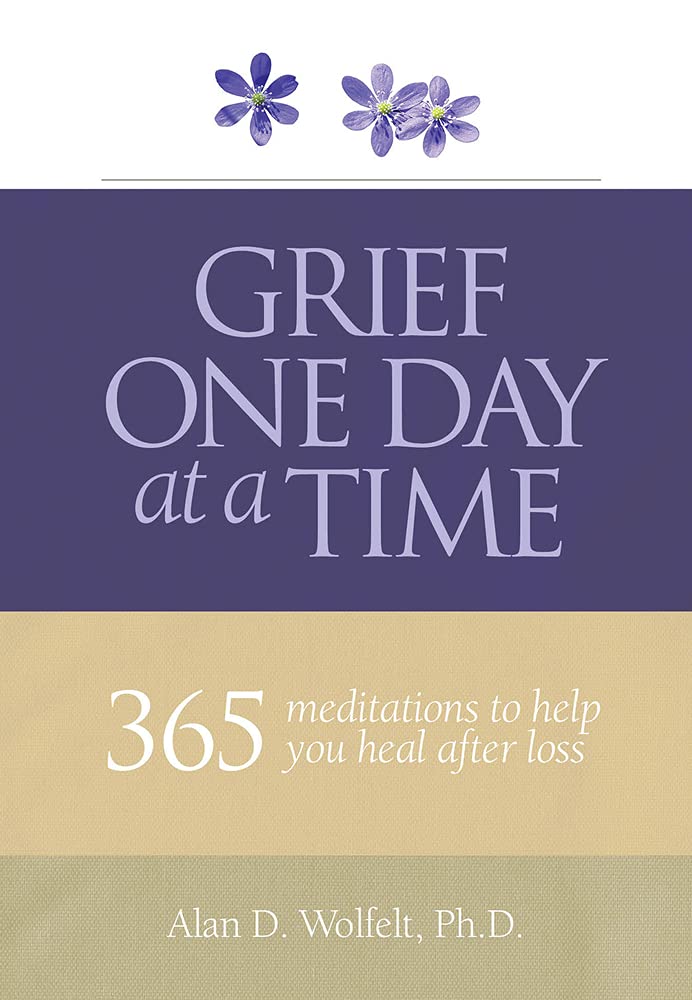
Grief One Day at a Time – Alan D. Wolfelt
[Daily Meditations] Some days, reading a full chapter of anything can feel like too much. This book offers 365 short, gentle reflections, one for each day of the year, that you can read in a minute or two when your brain has no bandwidth. It’s especially helpful in the first year after a loss, when you need something small, steady, and non-preachy to touch base with.
Understanding What’s Happening to You
3
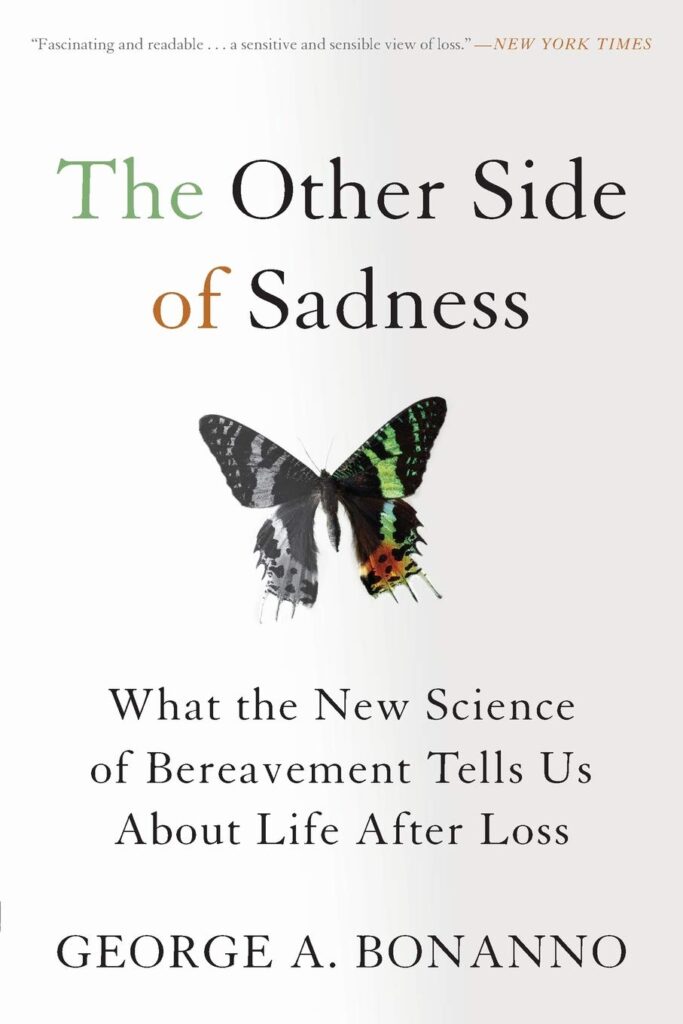
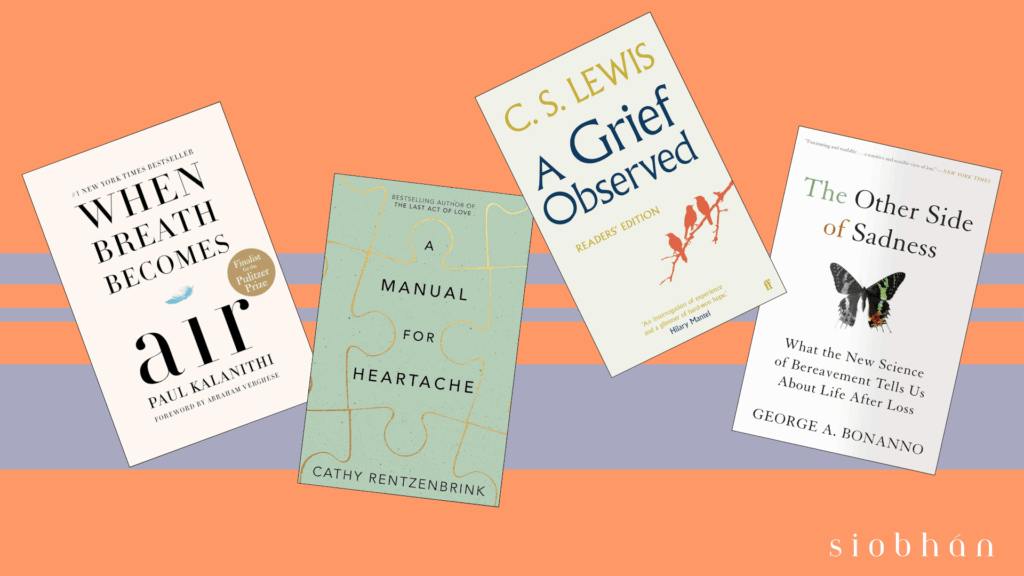
The Other Side of Sadness – George A. Bonanno
[Research-based / Hopeful] If you’re secretly afraid that grief will swallow you whole forever, this book is a relief. Bonanno is a leading grief researcher who shows that humans are often more resilient than we think. He doesn’t minimize pain, but he does challenge the idea that grief always follows one rigid “five-stage” script and offers a more nuanced, hopeful picture of how people actually adapt.
4
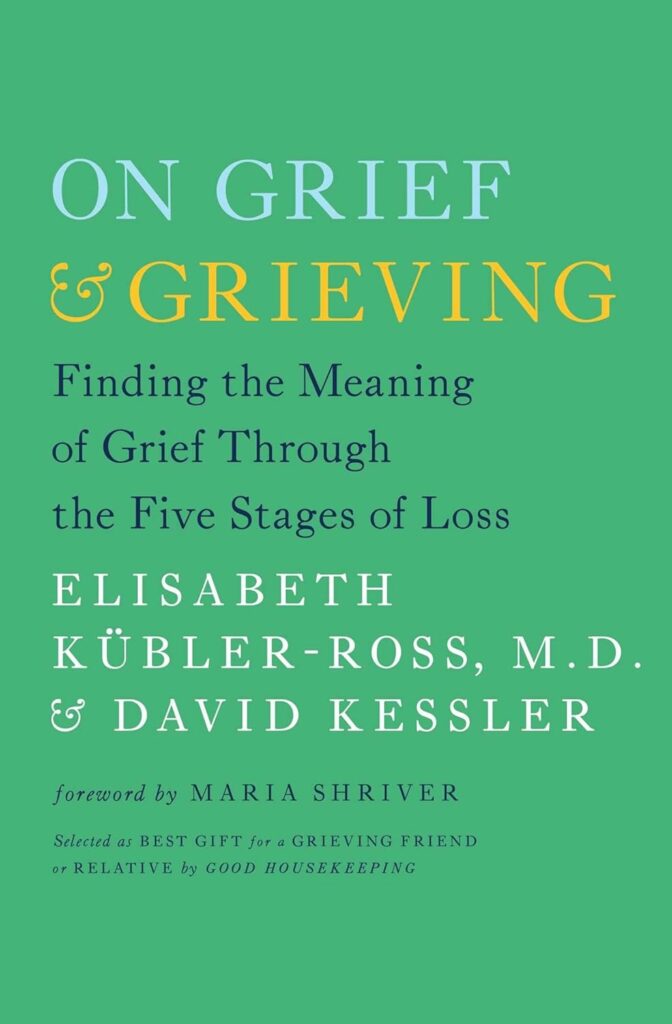
On Grief and Grieving – Elisabeth Kübler-Ross, M.D. & David Kessler
[Framework + Reflection] This book revisits the famous “five stages” (denial, anger, bargaining, depression, acceptance) and applies them to grief after a death, not just dying. It’s not a strict checklist, and they’re clear about that. However, it can give you language for what you’re cycling through, especially if you feel like you’re ping-ponging between anger and numbness.
Modern, Real-Life Survival Manuals
5
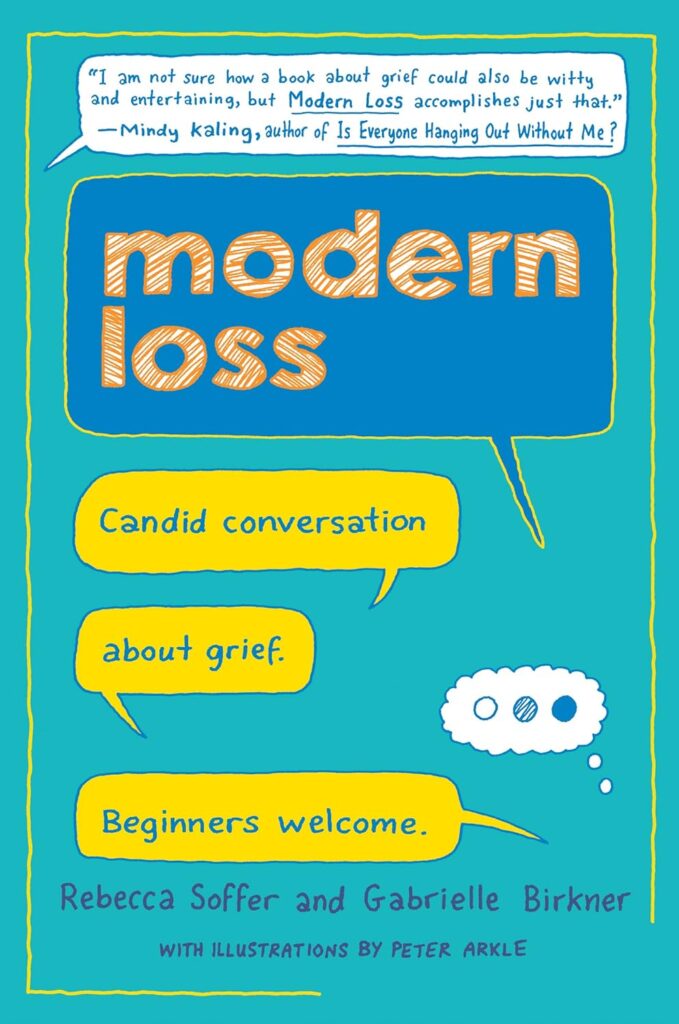
The Modern Loss Handbook – Rebecca Soffer & Gabrielle Birkner
[Modern, Practical, Irreverent] This is grief in the real world: group chats, Instagram, work emails, anniversaries, dating again, family dynamics, everything. The tone is honest, sometimes darkly funny, and very permission-giving. It’s a good fit if traditional grief books feel too clinical or too “soft,” and you want something that matches the messiness of life after loss.
6
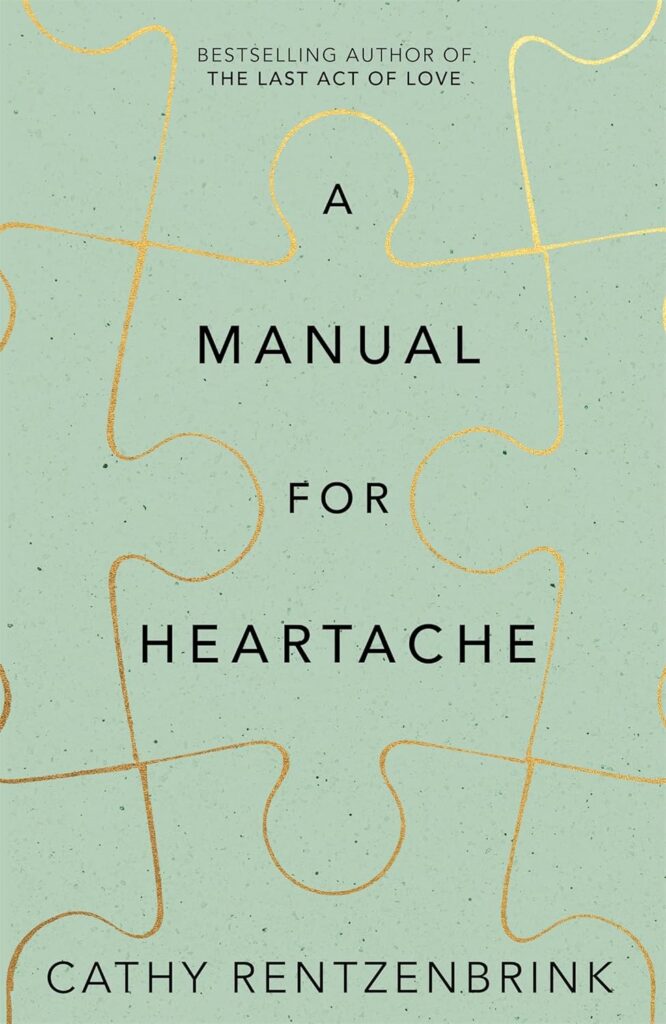
A Manual for Heartache – Cathy Rentzenbrink
[Short, Gentle Companion] This slim book reads like sitting with a wise friend who has been through deep loss and isn’t trying to “fix” you. It’s personal, honest, and very easy to dip in and out of, even early on, without feeling overwhelmed. This is a good choice if your attention span is shot, but you still want to feel understood.
When the Loss Is Traumatic or Complicated
7
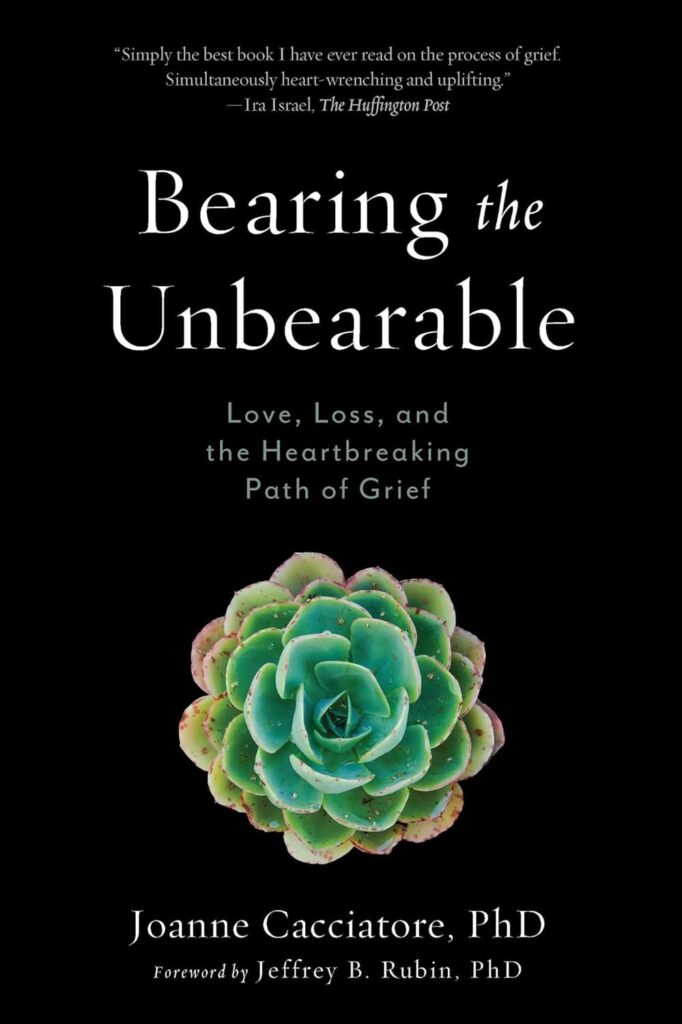
Bearing the Unbearable – Joanne Cacciatore, PhD
[Compassionate, Especially for Traumatic Loss] Written by a bereavement therapist who has also lost a child, this book speaks directly to people whose loss feels shattering: child loss, sudden death, violent or traumatic circumstances. The short, reflective chapters are brutally honest but deeply compassionate, making it a powerful option when you feel like most books simply don’t grasp the scale of what you’ve lived through.
8
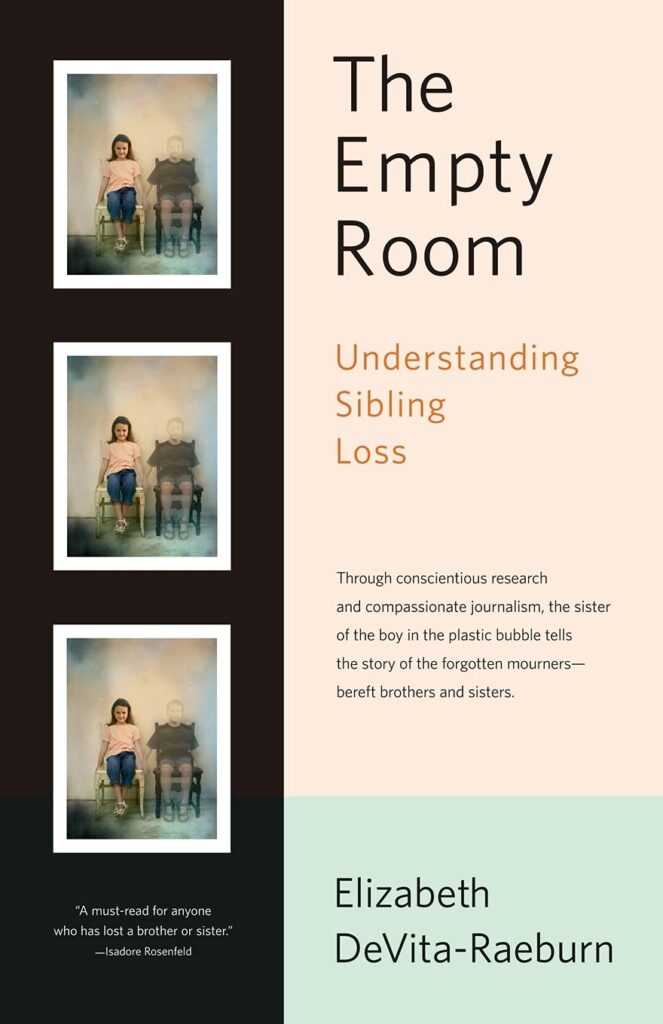
The Empty Room – Elizabeth DeVita-Raeburn
[For Adult Siblings] Sibling grief is often invisible; everyone asks about the parents or the partner, and surviving siblings quietly disappear into the background. This book blends the author’s own story of losing a brother with interviews from other bereaved siblings. It’s a strong choice if you’ve lost a brother or sister and feel like no one quite sees how deep that pain is.
Faith, Meaning, and Big Questions
9
When Breath Becomes Air – Paul Kalanithi
[Memoir / Meaning-making] Written by a young neurosurgeon after he’s diagnosed with terminal lung cancer, this memoir sits right at the intersection of science, mortality, identity, and faith. He writes about shifting from doctor to patient, what it means to be useful when time is short, and how to keep loving and planning in the face of an ending you can’t control. It’s a strong choice if your grief has cracked open big questions about purpose and what makes a life “enough.”
10
A Grief Observed – C.S. Lewis
[Spiritual / Questioning] Written after the death of his wife, this short collection of reflections shows a Christian writer wrestling honestly with faith, anger, doubt, and love. It’s not polished theology; it’s raw processing. If you’re a person of faith (or used to be) and you’re struggling with where God fits in any of this, this slim book can be strangely validating and give you permission to bring your honest questions into the room.
Medical Emergency Notice
Need immediate help? If you’re experiencing severe symptoms like chest pain, disorientation, intense panic attacks, difficulty breathing, sudden weakness, confusion, heavy bleeding, or other concerning health issues, don’t wait; call 911 immediately or go to your nearest emergency room. This article provides general information only and is not a substitute for professional medical advice. Always consult with qualified healthcare providers about your specific situation before making health decisions.